ReflectionBegijnhofkapelTweede Pinksterdag
Whit Monday: Mary, Mother of the Church
Automatic translation, independently checked · Tweede Pinksterdag: Maria, Moeder van de Kerk
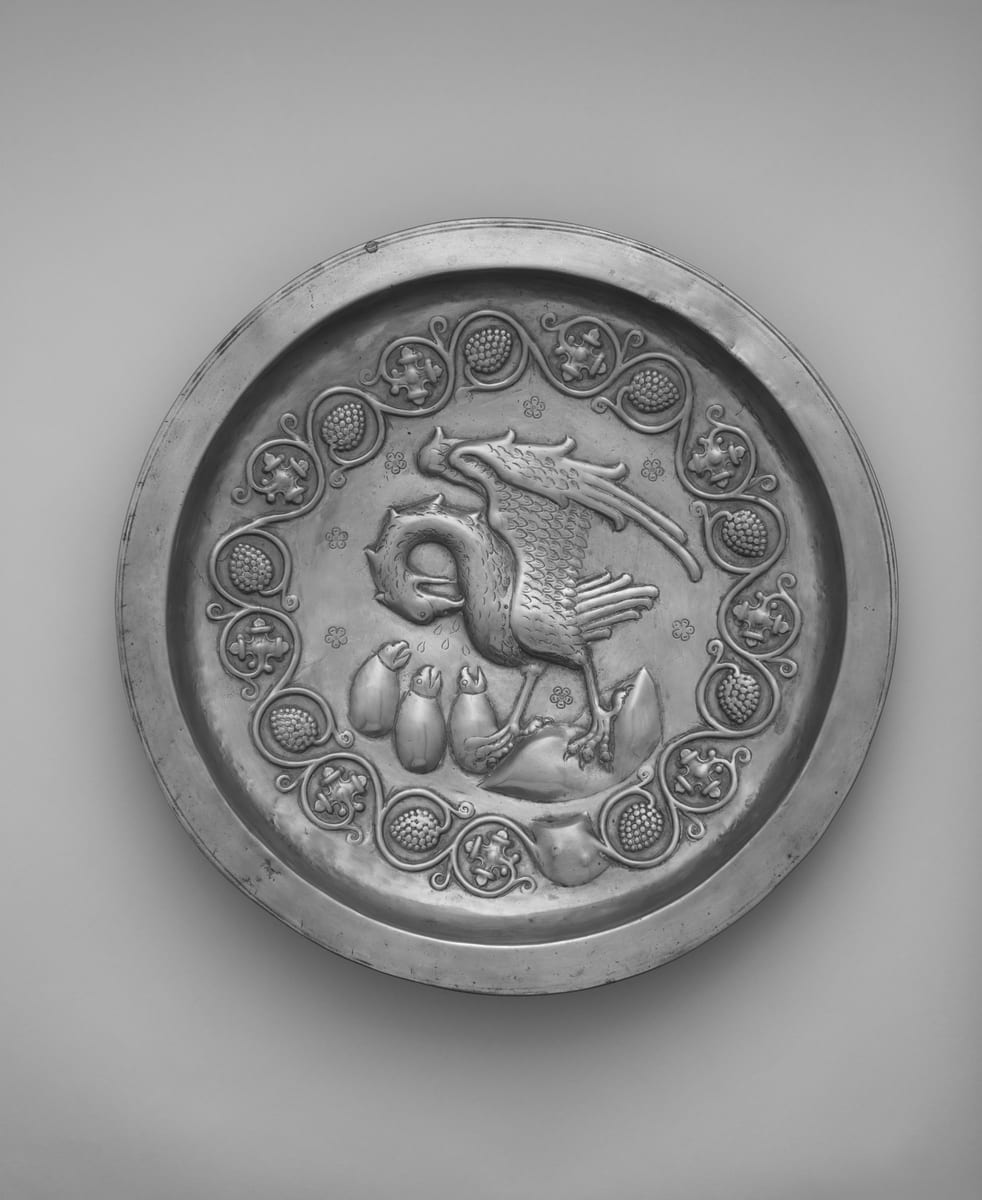
In 2018 the Vatican announced that Whit Monday is henceforth dedicated to the Blessed Virgin Mary, Mother of the Church. It is an obligatory memorial. In places where Whit Monday has always been celebrated, such as in the Netherlands, the liturgy may remain as it was. But the celebration of the obligatory memorial is to be preferred.
Mary, Mother of the Church?
In the Gospel of John the beginning of the church coincides with the death of Jesus on the cross: 'When Jesus saw his mother and beside her the disciple whom He loved, He said to his mother: “Woman, behold your son.” Then He said to the disciple: “Behold your mother.”' (Jn. 19:26-27).
You could say that the disciple represents all people. And that Jesus therefore left his mother to us all. Only after that had been said did he know that 'now everything was accomplished' (Jn. 19:28). And after that he gave up his Spirit. He died, but also gave his Spirit to us. To his mother, the disciple, and to all of us.
In the biblical book of the Acts of the Apostles we can read how things continued with the disciples after the Ascension of Jesus: 'They all joined together constantly in prayer, along with the women, with Mary the mother of Jesus, and with his brothers.' (Acts 2:14).
And then at Pentecost they were all gathered together again in the same place and 'All of them were filled with the Holy Spirit and began to speak in other tongues as the Spirit enabled them.' (Acts 2:4)
Pentecost too is seen as the beginning of the church. Jesus had ascended into heaven, and at Pentecost the disciples received the Spirit and began to preach in all languages. So Mary was there. And every day they went to the temple, 'faithfully and with one accord, broke bread in one house or another, and shared their food with gladness and sincerity of heart, praising God and enjoying the favour of all the people.' (Acts 2:46-47).
The title had already been used earlier by the popes Benedict XIV (18th century) and Leo XIII (19th century). But in 1964, at the end of the third period of the Second Vatican Council, Pope Paul VI proclaimed Mary Mother of the Church. He pointed to the close bonds of our heavenly mother with the human race. Mary is, like us, a 'daughter of Adam, and therefore also our sister by virtue of the shared human nature.'
And now Mary has officially become Mother of the Church. A beautiful image. And a fine challenge for everyone to keep that image always before their eyes. To let ourselves be inspired by her strength, her wisdom and her care.
Original text · Dutch
Tweede Pinksterdag: Maria, Moeder van de Kerk
In 2018 maakte het Vaticaan bekend dat Pinkstermaandag voortaan is toegewijd aan de Heilige Maagd Maria, Moeder van de Kerk. Het is een verplichte gedachtenis. Op plekken waar Tweede Pinksterdag altijd al werd gevierd, zoals in Nederland, kan de liturgie blijven zoals het was. Maar de viering van de verplichte gedachtenis verdient wel de voorkeur.
Maria, Moeder van de Kerk?
In het Evangelie van Johannes valt het begin van de kerk bij de kruisdood van Jezus: ‘ Toen Jezus zijn moeder zag en naast haar de leerling die Hij liefhad, zei Hij tot zijn moeder: “Vrouw, zie daar uw zoon.” Vervolgens zei Hij tot de leerling: “Zie daar uw moeder.”’ (Joh. 19, 26-27).
Je kunt zeggen dat de leerling alle mensen vertegenwoordigt. En dat Jezus zijn moeder dus liet aan ons allen. Pas nadat dat was gezegd wist hij dat ‘nu alles volbracht was’ (Joh. 19, 28). En daarna gaf hij de Geest. Hij stierf, maar gaf ook zijn Geest aan ons. Aan zijn moeder, de leerling en aan ons allemaal.
In het bijbelboek Handelingen van de Apostelen is te lezen hoe het na de Hemelvaart van Jezus verder ging met de leerlingen: ‘Zij allen bleven eensgezind volharden in gebed samen met de vrouwen, met Maria, de moeder van Jezus, en met zijn broeders.’ (Hand. 2,14).
En dan op Pinksteren waren allen weer bijeen op dezelfde plaats en ‘Zij werden allen vervuld van de heilige Geest en begonnen in vreemde talen te spreken, naargelang de Geest hun te vertolken gaf.’ (Hand. 2, 4)
Ook Pinksteren wordt gezien als begin van de kerk. Jezus was ten Hemel gevaren en de leerlingen kregen met Pinksteren de Geest en begonnen in alle talen te verkondigen. Maria was daar dus bij. En ze bezochten dagelijks ‘trouw en eensgezind de tempel, braken het brood in een 1 of ander huis, genoten samen hun voedsel in blijdschap en eenvoud van het hart, loofden God en stonden bij het hele volk in de gunst.’ (Hand. 2, 46-47).
De titel was al eerder gebruikt door de pausen Benedictus XIV (18e eeuw) en Leo XIII (19e eeuw). Maar in 1964, aan het eind van de derde periode van het Tweede Vaticaans Concilie riep paus Paulus VI Maria uit tot Moeder van de Kerk. Hij wees op de nauwe banden van onze hemelse moeder met het menselijke geslacht. Maria is net als wij ‘dochter van Adam en dus ook onze zuster op grond van de gedeelde menselijke natuur.’
En nu is Maria dan officieel Moeder van de Kerk geworden. Prachtig beeld. En een mooie uitdaging voor iedereen om dat beeld steeds voor ogen te houden. Ons te laten inspireren door haar kracht, haar wijsheid en haar zorgzaamheid.
Open the PDF · p. 1 ↗From: bulletin
Full text, reproduced with the parish’s permission. (PDF, 12 pages)