ReflectionBoomkerk · Augustinuskerk De Star · Vincentiuskerk · Nossa Senhora de Fátima (Boomkerk)
Month of bloom and month of mary
Automatic translation, independently checked · BLOEIMAAND en MARIAMAAND
The month of May is traditionally called the month of Mary. Its origin is chiefly connected with the propaganda of the Jesuits in Rome.
In 1724 Father Jacolet published a little book entitled ‘Mensis Marianus’ (Month of Mary). Another Jesuit, Alfonso Muzzarelli, wrote his ‘Mese di Maria’ in 1785, which saw 150 editions in various languages. In it he urges the faithful not only to meditate upon Mary, but also to sing a hymn to Mary every day of the month of May.
Perhaps this month was intended as a counterpart to an ancient feast. In Roman antiquity Flora was the goddess of spring, of flowers and plants. She was a fertility goddess, whose feast, the Floralia, was celebrated around 1 May with an abundance of flowers, and from this the later May feasts arose.
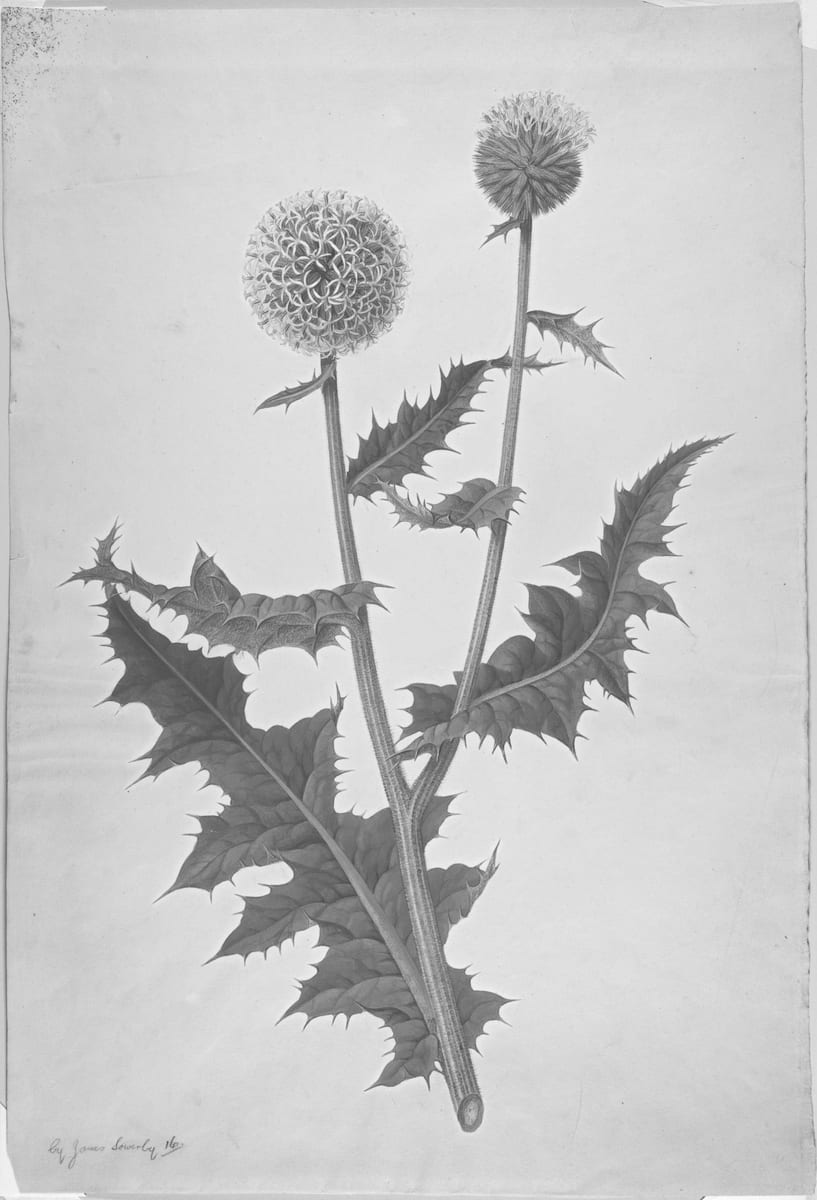
As for the Netherlands, a name other than ‘month of Mary’ is much older: the month of bloom. It is related to the month of Mary. Some flowers are named after Mary: ‘mariahartje’, ‘mariaklokje’, ‘mariaschoen’, ‘lievevrouwebedstro’ and ‘mariadistel’. The daisy, or ‘meizoentje’, was called ‘marienbloemkyn’ in the Middle Ages.
Likewise, in old poems and songs many flowers are a symbol of Mary.
Thus ‘God groet u zuiv're bloeme’ names: Mary, pure lily, little rose without thorns, sweet violet and little flower blue in the corn. This is the blue cornflower, and blue is Mary’s colour.
Other European languages too have particular Marian names for certain flowers.
It should further be noted that biblical sayings have certainly been of influence. The Song of Songs says: ‘I am a flower of the field and a lily of the valleys!’ And Jesus Sirach speaks of ‘the rose planted on the banks of the water’. Medieval writers already regarded these flowers as a symbol of Mary.
All this stimulated the popular Marian devotion of the Western Church to name and to sing of the month of May as her month: ‘Your lovely May has come, Mary!’
Toon Brekelmans, Church historian
Father Toon Brekelmans (1930–2015) was a missionary of the Holy Family. He was ordained a priest on 27 July 1958, after which he celebrated his first Holy Mass in the rectoral church of Biezenmortel. He then went to study at the Pontifical Gregorian University in Rome. Back in the Netherlands (1965) he was a lecturer in church history at the Joint Institute for Theology in Tilburg, the Katholieke Leergangen and the priestly formation programme Bovendonk in Hoeven. He was also a lecturer in catechesis at the Pedagogical Academy in Breda.
Automatically read from a scanned PDF. Check the details in the original; text recognition can contain errors.
Original text · Dutch
BLOEIMAAND en MARIAMAAND
De maand mei wordt traditioneel de Mariamaand genoemd. Haar oorsprong heeft vooral te maken met de propaganda van de jezuïeten in Rome.
In 1724 publiceerde pater Jacolet een boekje dat ‘Mensis Marianus’ (Mariamaand) heette. Een andere jezuïet, Alfonso Muzzarelli, schreef in 1785 zijn ‘Mese di Maria, dat 150 uitgaven in verschillende talen kende. Hierin spoort hij de gelovigen niet alleen aan om over Maria te mediteren, maar ook om iedere dag van de meimaand een Marialied te zingen.
Misschien was deze maand als een tegenhanger van een antiek feest bedoeld. In de Romeinse oudheid was Flora de godin van de lente, de bloemen en planten. Het was een vruchtbaarheidsgodin, van wie het feest, de floralia, rond 1 mei uitbundig met bloemen werd gevierd, en hieruit ontstonden de latere meifeesten.
Wat Nederland betreft is een andere benaming dan Mariamaand veel ouder: de bloeimaand. Deze heeft een relatie met de Mariamaand. Sommige bloemen worden naar Maria genoemd: mariahartje, mariaklokje, mariaschoen, lievevrouwebedstro en mariadistel. Het madeliefje of meizoentje heette in de middeleeuwen ‘marienbloemkyn'.
Ook zijn veel bloemen in oude gedichten en liederen een symbool van Maria.
Zo noemt 'God groet u zuiv're bloeme’: Maria lelie reine, rooske zonder doren, violette zoet en bloemke blauw in 't koren. Dit is de blauwe korenbloem en blauw is de Mariakleur.
Ook andere Europese talen hebben voor sommige bloemen bepaalde Marianamen.
Verder zij opgemerkt dat bijbelse uitspraken zeker van invloed zijn geweest. Het hooglied zegt: 'ik ben een veldbloem en een lelie van de dalen! En Jezus Sirach spreekt van ‘de roos geplant aan de oevers van het water. Reeds middeleeuwse schrijvers hebben deze bloemen als een symbool van Maria beschouwd.
Dit alles heeft de populaire Mariadevotie van de westerse kerk gestimuleerd om de meimaand als haar maand te benoemen en te bezingen: ‘Gekomen is uw lieve mei, Maria!’
Toon Brekelmans, Kerkhistoricus
Pater Toon Brekelmans (1930-2015) was missionaris van de H. Familie. Hij is priester gewijd op 27 juli 1958, waarna hij zijn eerste H. Mis deed in de rectoraatskerk van Biezenmortel. Daarna ging hij studeren aan de Pauselijke Universiteit Gregoriana in Rome. Terug in Nederland (1965) was hij docent kerkgeschiedenis aan het Gemeenschappelijk Instituut voor Theologie te Tilburg, de Katholieke Leergangen en de priesteropleiding Bovendonk te Hoeven. Ook was hij docent catechese aan de Pedagogische Academie in Breda.
Open the PDF · p. 17 ↗From: bulletin
Full text, reproduced with the parish’s permission. (PDF, 24 pages)