ReflectionSint-Urbanuskerk Bovenkerk · Titus BrandsmakerkPinksteren
Luilak
Automatic translation, independently checked · Luilak
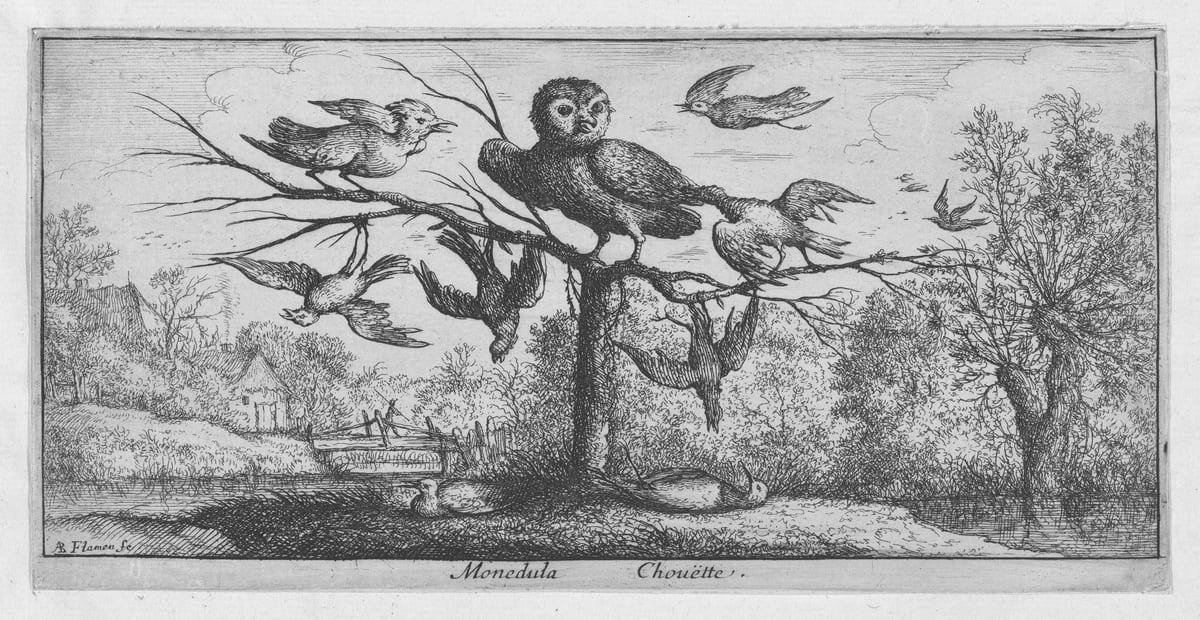
Whoever hears the letterbox rattling early on Sunday morning at Pentecost: it may also be the wind. And no pranksters celebrating 'Luilak'. Luilak, the morning on which, according to an old folklore, late sleepers are noisily awakened, so as to usher in the Whitsun weekend. By riding through the streets with tin cans tied with strings behind bicycles, ringing doorbells and loudly singing 'Luilak, bedsack...'. That was at least how it was in my youth. But today's youth are themselves too lazy for Luilak, or do I live, in our dormitory town just outside the city ring, somewhere too quiet for that? Even the traditional 'Pinkpop', a great festival that lasted the whole Whitsun weekend, nowadays no longer even falls on Pentecost! What then still remains of that whole Pentecost? What does it still say to us now?
According to the Christian tradition from which the feast of Pentecost derives, the disciples of Jesus received the Holy Spirit, or divine inspiration. That is a beautiful gift that has been passed on to us, for without inspiration from time to time nobody can manage! It also has a deeper meaning: it refers to those disciples, who were suddenly able to speak in strange tongues after the Holy Spirit descended upon them in the form of tongues of fire. But it began with that wondrous inspiration, that fiery ardour. And perhaps that is precisely what is meant by 'strange tongues'? Perhaps the miracle of Pentecost lay not so much in the fact that those disciples could all speak strange languages, but in the fact that everyone could understand one another!
In that sense you might well say that we could put such a miracle to good use, now in this time. For sometimes it seems as though we are all trying to communicate with one another in different languages. Then it would help if, thanks to that special inspiration, we were better able to listen to one another. For even if you do not immediately agree with one another: through a little more mutual understanding for the other's point of view, and by mustering empathy for that which moves the other or indeed stands in their way, we already draw closer to one another. Then solutions lie close at hand of their own accord. Until that time we may perhaps all be doing a bit of luilakking, waiting for a fresh wind and the fire of inspiration....?
Automatically read from a scanned PDF. Check the details in the original; text recognition can contain errors.
Original text · Dutch
Luilak
Wie op Pinksterzondag 's morgens vroeg de brievenbus hoort klapperen: dat kan ook de wind zijn. En geen kwajongens die luilak vieren. Luilak, ochtend waarop langslapers volgens een oude folklore luidruchtig worden gewekt, om zo het Pinksterweekend in te luiden. Door met blikjes die met touwtjes achter fietsen zijn gebonden door de straten te rijden, belletje-lellen te doen en luidkeels ‘Luilak, beddenzak...' te zingen. Dat was tenminste in mijn jeugd zo. Maar de jeugd van tegenwoordig is zélf te lui voor luilak, of woon ik daarvoor in ons slaapstadje net buiten de stadcirkel iets te rustig? Ook het traditionele ‘Pinkpop’, een groot festival dat het hele Pinksterweekend duurde, valt tegenwoordig niet eens meer op Pinksteren! Wat is er dan nog over van dat hele Pinksteren? Wat zegt het ons nu nog?
Volgens de christelijke traditie waar het Pinksterfeest uit voortkomt, ontvingen de leerlingen van Jezus de heilige Geest, ofwel goddelijke bezieling. Dat is een prachtig geschenk dat aan ons is doorgegeven, want zonder inspiratie op Z'n tijd kan niemand! Het heeft nog een diepere betekenis: het verwijst naar die leerlingen, die plots vreemde talen konden spreken nadat de Heilige Geest in de vorm van vuurtongen over hen was neergedaald. Maar het begon met die wonderlijke bezieling, die vurige inspiratie. En misschien wordt dát wel bedoeld met ‘vreemde talen’? Misschien schuilde het wonder van Pinksteren dan niet zozeer in het gegeven dat die leerlingen allemaal vreemde talen konden spreken, maar in het feit dat ieder elkaar kon verstaan!
In die zin zou je misschien wel kunnen zeggen dat we zo'n wonder ook wel prima gebruiken kunnen, nu in deze tijd. Want soms lijkt het wel alsof we allemaal in andere talen met elkaar proberen te communiceren. Dan zou het helpen als we dankzij die bijzondere bezieling beter in staat zijn om naar elkaar te luisteren. Want ook al ben je het niet direct met elkaar eens: door wat meer wederzijds begrip voor het standpunt van de ander en door empathie op te brengen voor datgene wat de ander beweegt of juist tegenstaat, komen we al nader tot elkaar. Dan liggen oplossingen vanzelf dichtbij. Tot die tijd zijn we misschien allemaal wel een beetje aan het luilakken, wachtend op een frisse wind en het vuur van inspiratie....?
Open the PDF · p. 17 ↗From: bulletin
Full text, reproduced with the parish’s permission. (PDF, 32 pages)